Granite Bathroom Countertops Guide
Granite bathroom countertops guide: durability, maintenance, sealing, cost, and installation tips.
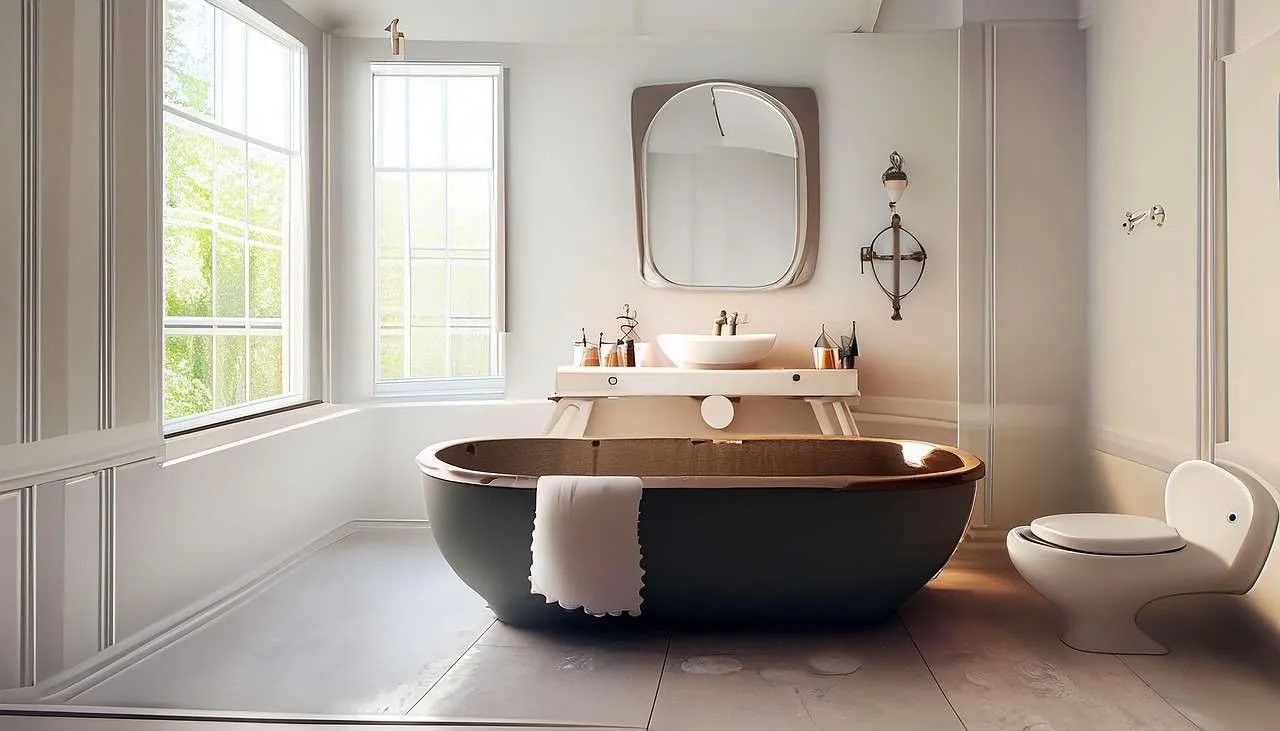
As a seasoned professional in bathroom design and material science, granite bathroom countertops offer a blend of natural beauty and long-lasting performance. This guide covers what you need to know to choose, install, and care for granite countertops in a bathroom setting, addressing common questions and practical decisions for homeowners and remodelers.
What makes granite a strong choice for bathrooms
Granite is a natural stone formed underground under high pressure and temperature. In bathrooms, it provides heat and scratch resistance, plus a unique pattern of veins and color. Each slab is unique, which adds character to any design style from modern minimal to timeless traditional. With proper sealing and maintenance, granite countertops resist common bathroom hazards such as moisture, cosmetics, and acidic cleaners better than some synthetic materials.
Durability and heat resistance
Granite is widely regarded as one of the most durable countertop options. In bathrooms, it endures daily use, towel racks installed nearby, and occasional hot styling tools used in vanity areas. While no stone is completely indestructible, granite is harder than most finishes and resists chipping when edge profiles are well chosen. It is important to note that porosity varies by slab; sealing enhances stain resistance and locks out water intrusion that can cause discoloration over time.
Sealing and stain resistance
Granite is usually sealed upon installation and resealed periodically. The seal acts as a barrier to water, oils, and pigments that cause staining. The frequency depends on the slab, sealant type, and bathroom usage. Signs that resealing is due include increased moisture absorption, lighter spots after spills, or visible water droplets soaking in. A simple water test (placing a few drops on the surface) can help gauge absorption. Use a penetrating impregnating sealer or a high quality impregnating resin for best results.
Maintenance routine for granite countertops
Maintenance is straightforward. Daily care involves wiping away moisture and spills with a soft cloth and using mild pH neutral cleaners. Avoid harsh acidic cleaners like lemon, vinegar, or bleach on the stone, which can dull the finish over time even with sealant. Use cutting boards to prevent scratches from knives and avoid placing hot pans directly on the countertop; although granite is heat resistant, sudden heat can cause micro-cracks over time. Resealing every 1 to 3 years is common, but check the porosity of your slab and follow the sealer manufacturer's recommendations.
Choosing the right granite countertop for your bathroom
Start with the color palette and veining. Lighter granites can brighten a small bathroom, while darker shades create contrast with cabinetry. Consider edge profiles that complement your design, such as eased edge for modern spaces or ogee edges for traditional settings. Decide on thickness, often 2 cm or 3 cm for bathrooms, and plan seams carefully in wet areas to minimize moisture exposure around joints. When selecting slabs, inspect for cracks, pits, or fill inconsistencies. If you want a seamless look, an undermount sink with integrated edge can reduce grout lines and simplify cleaning.
Design tips and common choices
Popular granite looks include subtle white or gray veining for a calm, contemporary vibe, or bold black with gold flecks for a luxury statement. Coordinate countertops with vanity hardware, lighting, and wall tiles. For small bathrooms, consider lighter granite with a polished or honed finish to reduce glare and enhance perceived space. A professional fabricator can recommend slip-sheets and backer materials to support the edge and prevent chipping around undermount sinks.
Installation considerations
Installation requires measuring, templating, and precise cutting. Work with a reputable fabricator who has experience in wet areas and cement backer board preparation. Supporting structures, substrate, and waterproofing behind the countertops are critical; ensure the vanity is level and able to support the weight of granite slabs. Some projects may require seam placement away from sinks or dynamic loads. After installation, a professional should seal the surface before use in bathrooms to protect against moisture infiltration during cures.
Cost, value, and maintenance overview
Granite countertops in bathrooms typically cost more than solid surface options but can add substantial value due to durability and timeless aesthetics. The price depends on slab rarity, color, thickness, edge style, and geographic market. Ongoing maintenance is modest: a routine wipe, gentle cleaners, periodic resealing, and prompt spill cleanup to prevent staining. When well maintained, granite can retain its luster for decades, with the occasional professional polishing recommended to remove fine scratches and restore shine.
Comparisons with other materials
| Material | Durability | Maintenance | Sealing | Cost | Aesthetic |
|---|---|---|---|---|---|
| Granite | High | Moderate to High sealing | Yes | Moderate to High | Natural, unique veining |
| Quartz | High | Low maintenance | No | Moderate to High | Consistent color |
| Marble | Medium | High maintenance | Yes | High | Classic elegance |
| Solid surface | Medium | Low maintenance | No | Lower | Seamless options |
There are practical tradeoffs. Granite offers superior heat resistance and a unique natural look, but requires periodic sealing and careful maintenance to avoid staining from oils or cosmetics. Quartz provides a more uniform appearance and easier maintenance but may not capture the same natural richness. Marble is stunning but more vulnerable to staining and etching unless properly sealed and cared for. Solid surface materials give versatility and cost savings but may not have the same heat resistance as stone. A design-focused pro can help you select the best match for your bathroom style, usage, and budget.
Myth-busting: common questions for granite bathroom countertops
Does granite need sealing? In most cases yes, sealing reduces porosity and helps prevent staining, especially in bathrooms where moisture and cosmetics are common. How often should I reseal? It varies by slab and sealant but typically every 1 to 3 years. Can granite be repaired if damaged? Minor chips and scratches can be polished or filled by a pro; severe damage may require replacement of a slab seam. Will granite crack from heat? Granite is heat resistant, but extreme temperature changes or rapid heating can cause micro-cracks; use trivets for hot tools.
With proper care and installation, granite bathroom countertops offer longevity and beauty that can outlast cheaper options and add real value to a home. Always work with a qualified fabricator and installer to ensure proper sealing, sealing frequency, and warranty coverage.
Conclusion
Conclusion, Granite bathroom countertops deliver natural beauty, robust durability, and long-term value when properly sealed and cared for. By selecting the right slab, edge, and seal, and by following a maintenance routine, homeowners can enjoy a bathroom surface that looks premium for years.